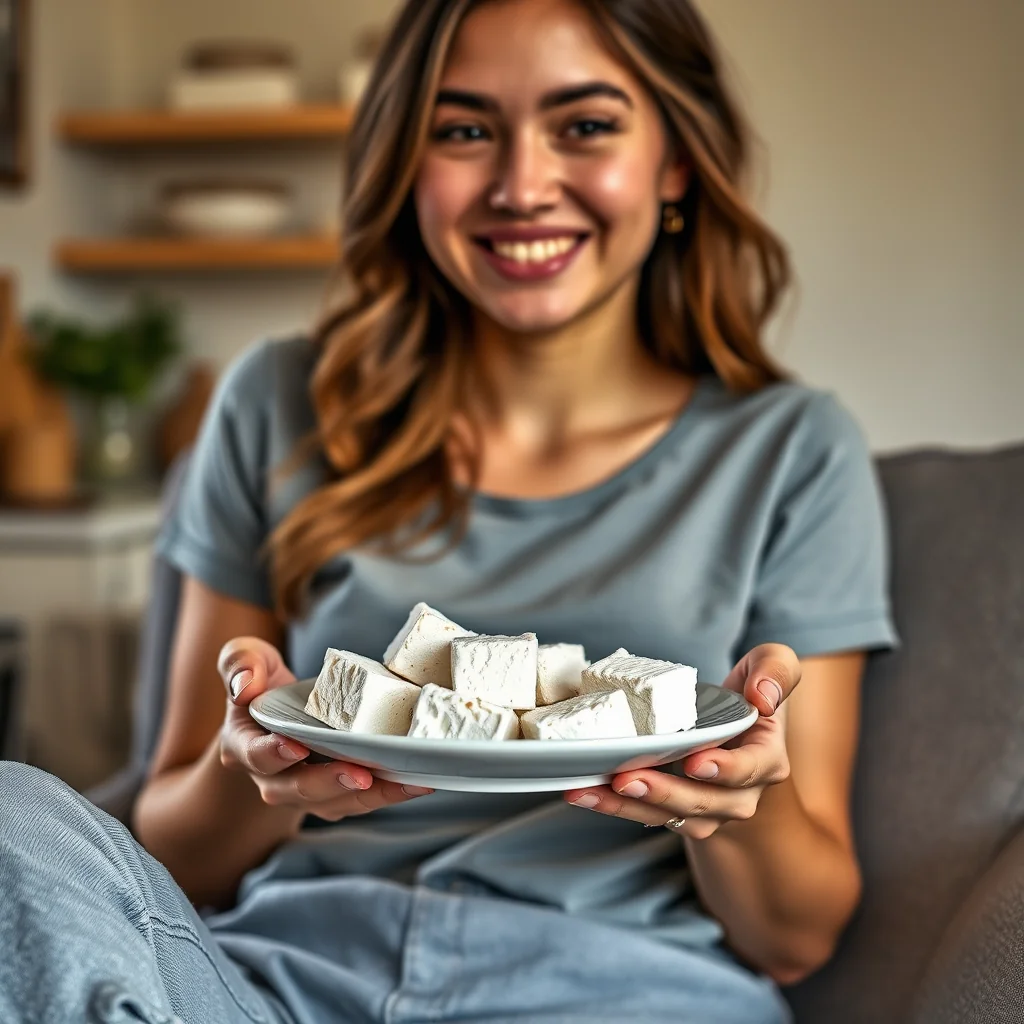
Paleo marshmallows are pillowy, honey-sweet clouds made with just gelatin, honey, and vanilla — no corn syrup, no mystery ingredients. The syrup boils to soft-ball stage, whips into glossy marshmallow crème, and sets in a pan ready for cutting and coating in tapioca flour. Homemade marshmallows are a revelation once you've tasted them.
MAKES AN 8X8 PAN OF MARSHMALLOWS
Ingredients
1 cup (240 ml) water (divided into 2½ cups)
3 tablespoons (45 ml) grass-fed beef gelatin
1 cup (240 ml) honey
1 teaspoon (5 ml) vanilla extract
¼ teaspoon salt
Coconut oil
Tapioca flour to coat the outside of the marshmallows
Coconut oil for greasing foil
Preparation
1.В В Make a foil sling for an eight-inch square baking pan by folding two long sheets of aluminum foil so each is eight inches wide. Lay sheets of foil in pan perpendicular to each other, with extra foil hanging over edges of pan. Push foil into corners and up sides of pan, smoothing foil flush to pan. Grease foil with coconut oil and sprinkle with a thin layer of tapioca flour.
2.В В Add gelatin and ½ cup of the water to the bowl of a stand mixer.
3.В В While the gelatin is softening, add remaining ½ cup of water, honey, and salt into a saucepan over medium heat. Bring the mixture to a boil. Place a candy thermometer in the saucepan and continue to boil the mixture until it reaches 242°F (117°C), the soft ball stage. Don't exceed 245°F (118°C).
NOTE If you're making these at higher elevation, decrease the cooking temperature by 2°F (-17°C) per 1,000 feet. If your pot is too big, the palm sugar syrup will be more likely to burn, as the temperature will rise too quickly and the thermometer may not read accurately. If the honey mixture foams, use a spoon to break up the foam so that it doesn't overflow, but do not stir the syrup.
4.В В When palm sugar mixture reaches 240-242°F (117°C), immediately remove the saucepan from the heat.
5.В В Turn the stand mixer on low-medium speed and begin mixing the gelatin and water. Pour the honey mixture in a slow, steady stream down the side of the bowl, not pouring directly on the gelatin. It's critical to pour in this manner to prevent the hot palm sugar mixture from breaking the gelatin, which will cause the marshmallow mixture to break up later when it's time to spread and form.
6.В В When the syrup and the gelatin are well combined, turn off the mixer and, using a spoon, give it a final stir.
7.В В Turn the mixer speed to high and continue beating until mixture cools and becomes very thick, like marshmallow crème (7 to 10 minutes). Add vanilla during the last minute of mixing.
8.В В Transfer the marshmallow crème to the prepared pan with foil sling. Smooth the top.
9.В В Allow the marshmallows to stand at room temperature for one to six hours until they reach the desired firmness. If you want a clean look after cutting, wait at least four hours before cutting. Even if you think they are firm enough, wait!
- Remove from pan using foil sling and fold down sides of foil. Cut marshmallows to the desired size, adding more tapioca flour while cutting to keep knife from sticking. Toss again in tapioca flour when finished to give them a nice finish.
- Using tapioca flour works well for coating marshmallows that will be used for roasting or topping dishes. It enables quicker drying times and aids in the browning process. Marshmallows intended for roasting should be cut and left at room temperature overnight, covered with cheesecloth. Then store the marshmallows in a sealed container in the refrigerator for five to seven days, or until needed.
Other coating and dipping options
Try all kinds of crushed nuts, coconut, almond flour mixed with spices, cacao powder, or other starches. If you want to dip the marshmallows in cacao nibs, melt your cacao nibs of choice, allow to cool slightly, and either dip the bottoms or drizzle the melted cacao nibs on top. Stick in the fridge for about 5 minutes to let the cacao nibs harden, and then store as instructed above.
Pro Tips
- Use a candy thermometer and stop at 242°F — past 245°F the honey syrup turns brittle and your marshmallows will be chewy rather than pillowy.
- Pour the hot syrup down the side of the bowl while the mixer runs, never directly onto the gelatin. That single technique is what keeps the mixture from breaking later.
- Wait the full four hours before cutting, even if they feel firm. Rushing this step gives ragged, sticky edges instead of clean cubes.
- For roasting marshmallows, cut them and leave them out overnight under cheesecloth — the dried surface browns beautifully over a flame.
Frequently Asked Questions
How do I store homemade marshmallows?
Sealed in the refrigerator for five to seven days. Toss them in tapioca flour again if they get sticky on standing.
Can I flavour them differently?
Yes — swap the vanilla for peppermint or orange extract, or roll the cut cubes in cacao powder, crushed nuts, or toasted coconut.
Why did my marshmallows turn out runny?
Usually the syrup didn't reach 242°F, or it was poured directly onto the gelatin and broke the mixture. Both are fixable with a thermometer and a slow pour.
Are these good for roasting?
Perfect. Dry them overnight first — the drier surface is what gives you that golden, blistered crust over a campfire or grill.
Recipe Card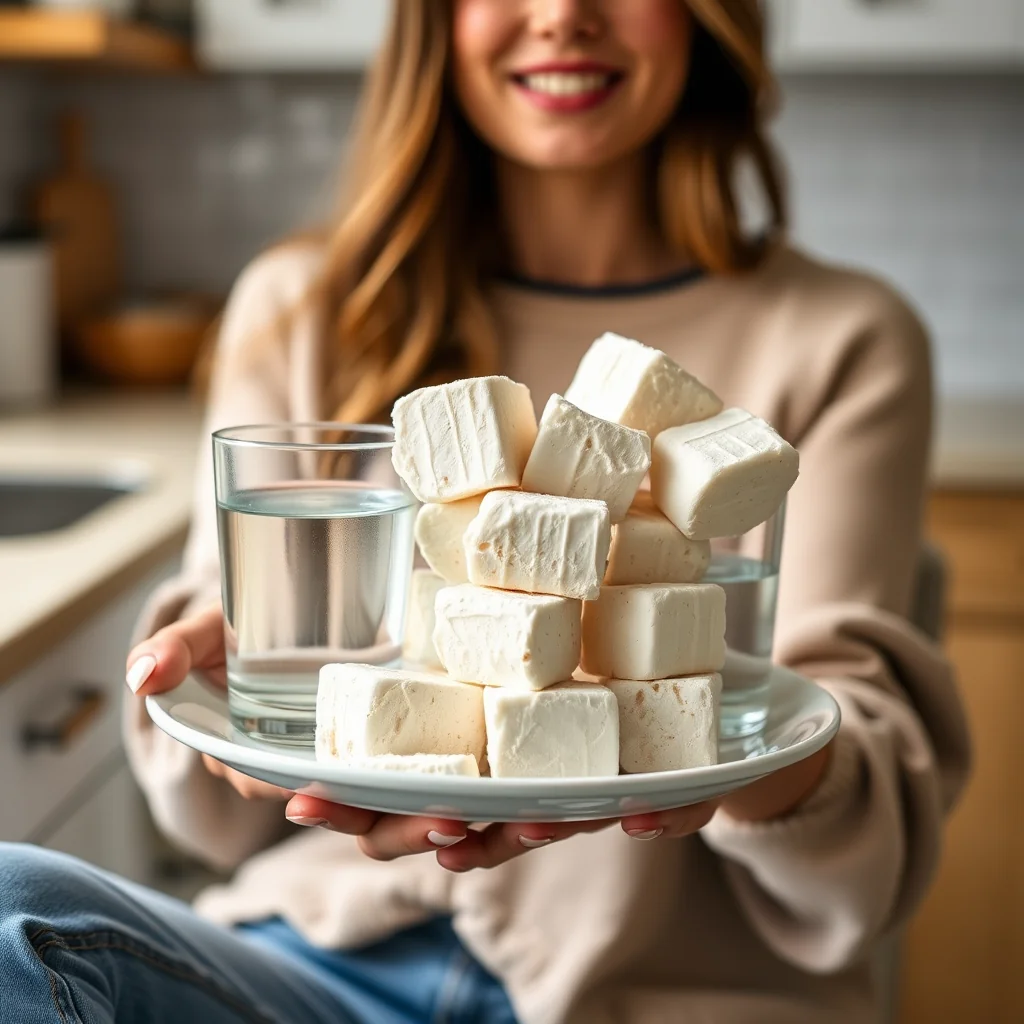
Ingredients
Method
- 1. В В Make a foil sling for an eight-inch square baking pan by folding two long sheets of aluminum foil so each is eight inches wide. Lay sheets of foil in pan perpendicular to each other, with extra foil hanging over edges of pan. Push foil into corners and up sides of pan, smoothing foil flush to pan.
- Grease foil with coconut oil and sprinkle with a thin layer of tapioca flour. 2. В В Add gelatin and ½ cup of the water to the bowl of a stand mixer. 3. В В While the gelatin is softening, add remaining ½ cup of water, honey, and salt into a saucepan over medium heat.
- Bring the mixture to a boil.
- Place a candy thermometer in the saucepan and continue to boil the mixture until it reaches 242°F, the soft ball stage.
- Don't exceed 245°F. NOTE If you're making these at higher elevation, decrease the cooking temperature by 2°F per 1,000 feet. If your pot is too big, the palm sugar syrup will be more likely to burn, as the temperature will rise too quickly and the thermometer may not read accurately. If the honey mixture foams, use a spoon to break up the foam so that it doesn't overflow, but do not stir the syrup. 4. В В When palm sugar mixture reaches 240-242°F, immediately remove the saucepan from the heat. 5. В В Turn the stand mixer on low-medium speed and begin mixing the gelatin and water.
- Pour the honey mixture in a slow, steady stream down the side of the bowl, not pouring directly on the gelatin. It's critical to pour in this manner to prevent the hot palm sugar mixture from breaking the gelatin, which will cause the marshmallow mixture to break up later when it's time to spread and form. 6. В В When the syrup and the gelatin are well combined, turn off the mixer and, using a spoon, give it a final stir. 7. В В Turn the mixer speed to high and continue beating until mixture cools and becomes very thick, like marshmallow crème (7 to 10 minutes).
- Add vanilla during the last minute of mixing. 8. В В Transfer the marshmallow crème to the prepared pan with foil sling. Smooth the top. 9. В В Allow the marshmallows to stand at room temperature for one to six hours until they reach the desired firmness. If you want a clean look after cutting, wait at least four hours before cutting. Even if you think they are firm enough, wait!
- Remove from pan using foil sling and fold down sides of foil.
- Cut marshmallows to the desired size, adding more tapioca flour while cutting to keep knife from sticking.
- Toss again in tapioca flour when finished to give them a nice finish.
- Using tapioca flour works well for coating marshmallows that will be used for roasting or topping dishes. It enables quicker drying times and aids in the browning process. Marshmallows intended for roasting should be cut and left at room temperature overnight, covered with cheesecloth.
- Then store the marshmallows in a sealed container in the refrigerator for five to seven days, or until needed. Other coating and dipping options Try all kinds of crushed nuts, coconut, almond flour mixed with spices, cacao powder, or other starches. If you want to dip the marshmallows in cacao nibs, melt your cacao nibs of choice, allow to cool slightly, and either dip the bottoms or drizzle the melted cacao nibs on top. Stick in the fridge for about 5 minutes to let the cacao nibs harden, and then store as instructed above.