Yields: 6 Servings
Ingredients
-
4 garlic cloves, unpeeled (approx. 0.7 oz / 20 g)
-
3 cups (720 ml) fresh basil leaves (approx. 2.6 oz / 75 g)
-
0.125 cup coconut milk (approx. 1.0 oz / 28 g)
-
1 shallot, minced (approx. 1.4 oz / 40 g)
-
2 tbsp (30 ml) extra-virgin olive oil (approx. 1.0 oz / 28 g)
-
16 oz (454 g) Spaghetti Squash, prepared (1 lb / 454 g)
-
0.5 tsp (2.5 ml) sea salt
-
Black pepper (to taste)
Preparation
-
Toast the Garlic: Place the unpeeled garlic cloves in a small skillet over medium heat. Toast them, shaking the pan occasionally, until the color of the cloves deepens slightly (approx. 7 minutes). Transfer them to a plate to cool slightly, then peel and mince.
-
Prepare the Pesto Base: Place the basil leaves in a heavy-duty zipper storage bag. Pound with a meat mallet or rolling pin until the leaves are lightly bruised.
-
Blend: In a food processor, combine the minced toasted garlic, bruised basil, 0.125 cup (30 ml) coconut milk, minced shallot, 2 tbsp (30 ml) olive oil, and 0.5 tsp (2.5 ml) sea salt. Process until smooth (approx. 30 seconds), scraping down the bowl as needed.
-
Combine and Serve: Stir the prepared spaghetti squash with the pesto mixture. Season with additional sea salt and pepper to taste before serving.
More Recipes You'll Love
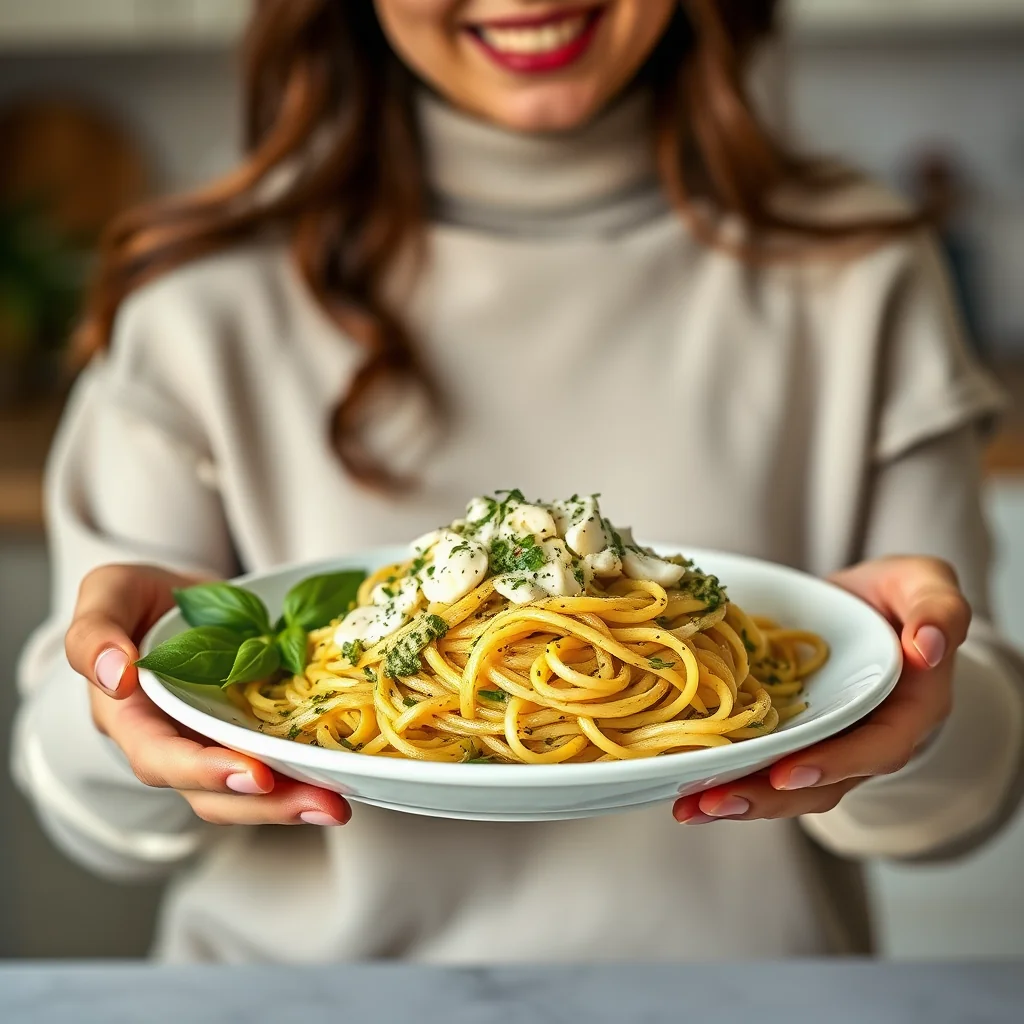
Spaghetti squash with creamy basil pesto is the bowl I make when the basil plant is out of control. A handful of pantry staples — toasted garlic, shallot, olive oil, and a splash of coconut milk — turn into a lush, dairy-free pesto that clings to sweet squash strands. Ready in the time it takes to roast the squash.
Pro Tips
- Toast the garlic cloves unpeeled in a dry skillet, shaking often — the skins protect the cloves so they sweeten and mellow instead of turning acrid and bitter.
- Bruise the basil in a zipper bag with a rolling pin before processing. Releasing the oils by hand keeps the pesto bright green and fragrant rather than bruised-dark from the food processor.
- The 1/8 cup of coconut milk is just enough for creaminess; add more and you'll bury the basil. It should coat the strands, not pool in the bowl.
- Squeeze the cooked squash strands in a clean towel before saucing — dry noodles grab pesto, wet ones let it slide to the bottom of the bowl.
- Leftover pesto keeps 3 days in the fridge under a thin film of oil, or freeze it in an ice cube tray for instant single servings.
Frequently Asked Questions
Is this pesto dairy-free and nut-free?
Yes to both. The creaminess comes from coconut milk rather than Parmesan, and there are no nuts in the base — just basil, garlic, shallot, and olive oil.
Can I make the pesto ahead of time?
Definitely. Blend it up to 3 days ahead and refrigerate with a thin layer of oil on top to prevent browning, or freeze cubes for up to 3 months.
Can I use dried basil instead of fresh?
Fresh is essential here — dried basil has none of the aromatic oils that make pesto taste like pesto. If you have no fresh basil, swap in fresh parsley or spinach instead.
What else can I serve the pesto with?
It's excellent tossed with grilled chicken, spooned over roasted vegetables, or used as a sauce for white fish — a thin layer is all you need.
Recipe Card
Ingredients
Method
- Toast the Garlic: Place the unpeeled garlic cloves in a small skillet over medium heat. Toast them, shaking the pan occasionally, until the color of the cloves deepens slightly (approx. 7 minutes).
- Transfer them to a plate to cool slightly, then peel and mince.
- Prepare the Pesto Base: Place the basil leaves in a heavy-duty zipper storage bag. Pound with a meat mallet or rolling pin until the leaves are lightly bruised.
- Blend: In a food processor, combine the minced toasted garlic, bruised basil, 0.125 cup coconut milk, minced shallot, 2 tbsp olive oil, and 0.5 tsp sea salt. Process until smooth (approx. 30 seconds), scraping down the bowl as needed.
- Combine and Serve: Stir the prepared spaghetti squash with the pesto mixture.
- Season with additional sea salt and pepper to taste before serving.